Soft Focus: How ASMR and Ambient Sound Can Quietly Transform Your Workday

Let's be honest — the modern workday is kind of a lot. Back-to-back Zoom calls, Slack notifications pinging every three minutes, the low-grade hum of a fluorescent-lit open office, or the chaos of working from a kitchen table while your dog loses his mind over a delivery truck. Somewhere between the fourth meeting that could've been an email and the 2 p.m. focus crash, a lot of us are quietly running on fumes.
So what if the solution wasn't another productivity hack or a third cup of coffee? What if it was softer than that — literally?
More workers across the US are discovering that ASMR and ambient soundscapes aren't just for falling asleep at night. They're becoming quiet, discreet tools for reclaiming focus, managing stress, and actually enjoying the workday a little more. And the science is starting to back them up.
The Productivity Paradox Nobody Talks About
Here's something that sounds counterintuitive: slowing your nervous system down can actually make you more productive. Not less.
When we're in a state of chronic low-level stress — which, let's face it, describes most American work environments — our brains operate in a kind of reactive mode. We're not thinking clearly or creatively. We're just... surviving the inbox. Research on relaxation and cognitive performance consistently shows that reducing physiological arousal (your heart rate, cortisol levels, muscle tension) improves working memory, decision-making, and sustained attention.
ASMR works, in part, by activating the parasympathetic nervous system — the "rest and digest" counterpart to the stress-driven "fight or flight" response. Studies from researchers at the University of Sheffield found that ASMR content reduced heart rate and increased feelings of calm and social connection in participants who responded to it. That's not nothing when you're trying to write a quarterly report or sit through a performance review.
The key isn't zoning out. It's tuning in — to something gentle enough that your brain can settle without shutting down entirely.
Practical Ways to Use ASMR During Your Workday
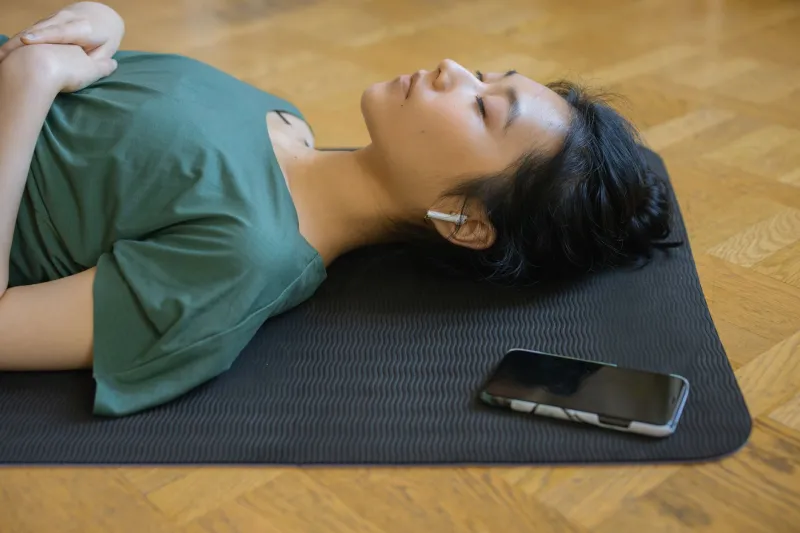
You don't need to make a big announcement about this. In fact, most people who use ASMR at work do it quietly — one earbud in, a tab open in the background, no explanation required. Here are some realistic, low-key ways to work it in.
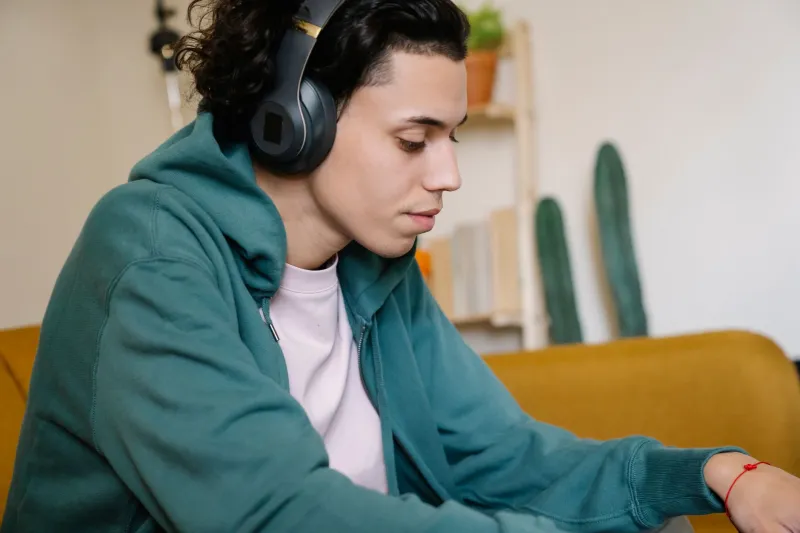
During deep work or focus blocks: Instrumental ASMR — think soft keyboard typing sounds, gentle page-turning, or library ambience — can create a sense of calm, focused environment. It's similar to the "coffee shop effect" that many people swear by, but more controlled and less likely to include someone's loud phone call about their divorce.
On your lunch break: Instead of scrolling social media (which research suggests increases anxiety, not reduces it), try spending 10–15 minutes with a guided breathing ASMR video or a soft nature soundscape. You're not meditating — you're just giving your brain a genuine break. There's a difference.
Before high-stakes moments: Got a big presentation or a difficult conversation coming up? A short ASMR session — even five minutes of soft whispering or rain sounds — can help bring your nervous system down from anticipatory anxiety. Think of it as a warm-up stretch, but for your stress response.
For the afternoon slump: That 2–3 p.m. window where everything feels impossible? Instead of reaching for sugar or caffeine, try pairing a brief walk with ambient sound through your headphones. The combination of light movement and sensory calm can do a lot to reset your energy without the crash that follows a Red Bull.
Navigating the "Is This Weird?" Factor
Let's address the elephant in the open-plan office: there's still a cultural awkwardness around self-care at work. In a lot of American workplace cultures, busyness is a badge of honor. Taking a real break — let alone listening to someone whisper about their stationery collection — can feel like professional suicide.
Here's the thing though: you don't owe anyone an explanation for what's in your ears. Most ambient ASMR content looks, from the outside, exactly like listening to music or a podcast. Nobody needs to know the difference.
If you work in a more flexible environment — remote, hybrid, or a company that genuinely values employee wellbeing — you might find more openness than you expect. Wellness-forward workplaces in cities like Austin, Portland, and New York are increasingly acknowledging that mental rest is part of performance. Some forward-thinking HR departments are even incorporating guided relaxation resources into their employee wellness programs.
But even if your workplace isn't there yet, your own health doesn't have to wait for a culture shift. Small, private acts of self-regulation are still acts of self-regulation.
Building a Sound Environment That Works for You
Not all ASMR works for all people in a work context, and that's worth knowing before you dive in. Whispering voices, for example, work great for some people and feel distracting for others. The sweet spot for focus tends to be non-vocal ambient sound — rain, crackling fire, soft wind, gentle instrumental music, or consistent background textures like a café or library.
A few platforms worth exploring:
- YouTube has an enormous library of ASMR and ambient sound content, including dedicated "study with me" and "work with me" streams that run for hours.
- Brain.fm and Endel are apps designed specifically around neuroscience-based sound for focus and relaxation.
- Spotify and Apple Music both have ambient and ASMR playlists that are easy to access without drawing attention.
Experiment. The right sound environment is personal, and it might take a few tries to find what helps your brain settle into the work rather than drift away from it.
The Bigger Picture
Integrating ASMR into your workday isn't about escaping your responsibilities — it's about showing up for them with a little more bandwidth. When you're less frazzled, you think better, communicate more clearly, and make fewer reactive decisions you'll regret later.
Win Within has always been about finding the tools that let you heal and recalibrate from the inside out. The workplace is just another arena where that work matters. You spend a huge chunk of your life there. It's worth making it a little more human.
Start small. One earbud. One break. One breath.
That's enough to begin.