The DIY Generation: Why Millennials and Gen Z Are Reaching for ASMR Before They Call a Therapist
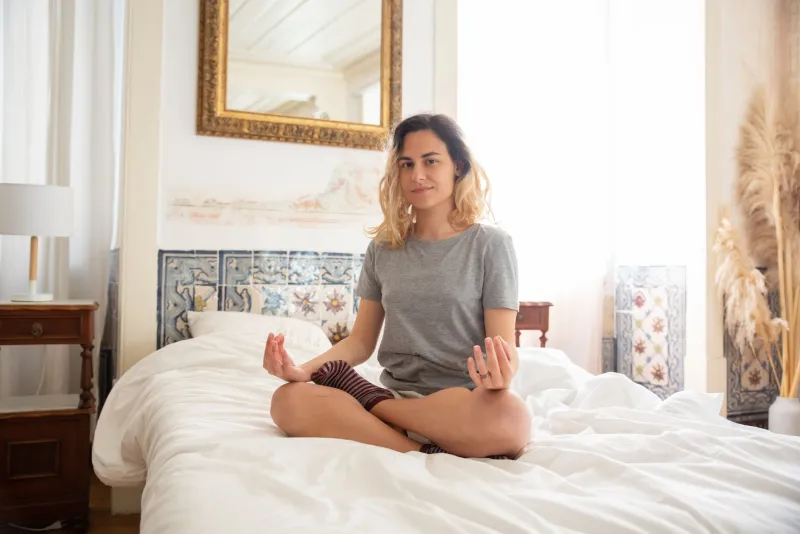
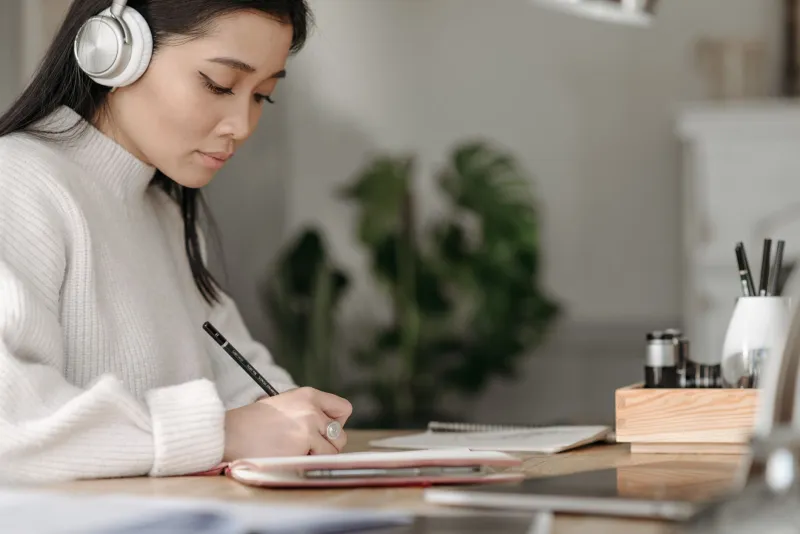
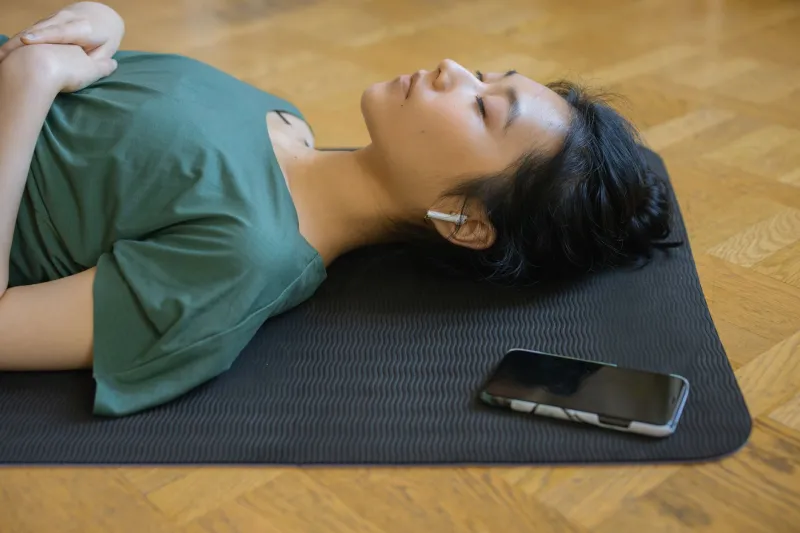
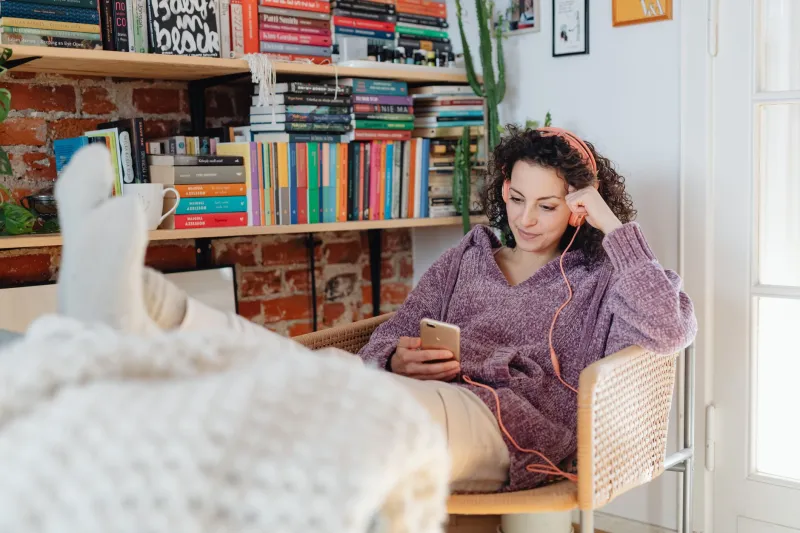
If you scroll through TikTok or YouTube for more than ten minutes, you'll notice something: an enormous portion of the content that younger Americans are consuming isn't entertainment in the traditional sense. It's calm. It's soft-spoken. It's someone tapping on a wooden box and whispering about their day, or a ten-minute guided body scan narrated over a rainy forest backdrop.
This isn't accidental. It's a generation self-medicating — not with substances, but with sound.
Gen Z and millennials are under a particular kind of pressure that older generations didn't face in quite the same way. They came of age during financial crises, a pandemic, a mental health epidemic, and a 24/7 news cycle designed to keep them anxious. And many of them can't afford therapy — or can't access it quickly enough to matter when they're spiraling at 11 p.m. on a Tuesday.
So they're building their own toolkits. And ASMR and mindfulness are sitting right at the center.
The Access Problem Is Real
Let's start with the uncomfortable math. A single therapy session in the US costs anywhere from $100 to $300 without insurance, and even with coverage, many plans offer limited mental health visits or require navigating a referral maze that takes weeks. The American Psychological Association reported therapist shortages across the country, with wait times in some areas stretching to months.
For a 24-year-old dealing with anxiety and living paycheck to paycheck, "just go to therapy" isn't advice — it's a privilege.
ASMR content, on the other hand, is free. It's available at 2 a.m. It doesn't require a referral, a copay, or explaining your entire childhood to a stranger in a 50-minute window. Meditation apps like Insight Timer offer extensive free libraries. YouTube has thousands of hours of calming content accessible to anyone with a phone and Wi-Fi.
This accessibility isn't a workaround. For millions of younger Americans, it's the only realistic option on the table right now.
Stigma Is Shifting — But Differently Than You'd Think
Here's something interesting: younger generations aren't avoiding therapy because of stigma the way previous generations did. In fact, Gen Z is remarkably open about mental health struggles — more so than any prior cohort. Therapy is practically a personality trait in some millennial circles.
But there's a different kind of stigma at play. It's the stigma of not being sick enough to deserve help. Many young people struggling with chronic low-level anxiety, burnout, or emotional exhaustion don't feel like their problems are "serious enough" for clinical intervention. They downplay their own suffering and look for tools that feel proportional.
ASMR and mindfulness fill that space. They say: you don't have to be in crisis to deserve calm. You can take care of yourself right now, in small ways, without a diagnosis or a prescription.
That's actually a really healthy message — when it's paired with honest self-awareness about limitations.
What These Tools Actually Do Well
It would be easy to dismiss ASMR as a trend or a coping mechanism for people who just need "real help." But that framing misses what the research actually shows.
Regular mindfulness practice has decades of clinical evidence behind it. Mindfulness-Based Stress Reduction (MBSR), developed at the University of Massachusetts, has been shown to meaningfully reduce symptoms of anxiety, depression, and chronic pain. It's not fringe — it's taught in hospitals and integrated into cognitive behavioral therapy frameworks.
ASMR is newer territory scientifically, but early studies suggest it reliably reduces heart rate, lowers perceived stress, and produces positive affect in people who respond to it. For managing everyday anxiety — the ambient hum of worry that doesn't necessarily rise to a clinical threshold — these tools are genuinely effective.
For younger Americans building a foundational wellness practice, the combination of consistent mindfulness habits and ASMR-aided nervous system regulation isn't a substitute for therapy. It's more like a complement to it — and for those who can't access therapy yet, it's a meaningful bridge.
The Honest Conversation About Limitations
This is where we have to be real, because Win Within is committed to giving you the full picture.
ASMR and meditation are powerful tools for stress management, emotional regulation, and general wellbeing. They are not treatments for clinical depression, trauma, PTSD, eating disorders, or serious anxiety disorders. They cannot replace the diagnostic insight of a trained clinician. And there's a real risk — especially for a generation that's excellent at self-research — of using these tools to avoid addressing something that genuinely needs professional attention.
Some signs that it's time to reach beyond your personal toolkit:
- Your symptoms are interfering with work, relationships, or basic daily functioning
- You've been feeling persistently low or hopeless for more than two weeks
- You're using substances, self-harm, or avoidance to manage emotions
- Your anxiety feels out of control despite consistent self-care practices
If any of those resonate, please reach out to a mental health professional. The Open Path Collective offers sliding-scale therapy starting at $30–$80 per session. Community mental health centers exist in most US cities. The 988 Suicide and Crisis Lifeline is available 24/7 by call or text.
Self-care and professional care aren't competitors. The goal is to use both.
Building Something That Lasts
What's actually exciting about this generational shift isn't the specific tools — it's the underlying philosophy. Younger Americans are rejecting the idea that you only address your mental health when you hit rock bottom. They're building proactive wellness habits: daily check-ins, intentional rest, sensory regulation practices, and community around shared vulnerability.
That's genuinely new. And it's genuinely good.
Whether you're 22 or 38, the invitation here is the same: meet yourself where you are. Use what's accessible. Build the habit. And stay honest with yourself about what you need — even when that means asking for more help than a YouTube video can offer.
Winning from within means knowing both your tools and your limits.