The Layered Ritual: Combining ASMR, Movement, and Mindfulness for Deeper Recovery
There's a reason spas exist. Not just because of the individual treatments—the massage, the steam room, the quiet room—but because of how those elements are sequenced together. Each one sets the stage for the next. The whole experience lands differently than any single part would on its own.
That principle applies to your at-home wellness practice too. A meditation session is good. A gentle yoga flow is good. An ASMR wind-down is good. But when you start layering these practices intentionally, something shifts. The effect compounds.
This is what a ritual actually is—not just a routine, but a thoughtfully sequenced experience that signals to your whole system: it's safe to let go.
Why Layering Works
The nervous system responds to accumulation. A single calming input might nudge you toward relaxation. Multiple inputs, stacked in the right order, can actually move you there.
Here's the basic logic: physical movement (even very gentle movement) helps discharge tension that's stored in the body. Breathwork and mindfulness practices engage the prefrontal cortex, quieting the reactive, threat-monitoring parts of the brain. Sensory experiences like ASMR audio then provide a kind of soft landing—a low-stimulation environment that allows the body to complete the transition into genuine rest.
Each layer does something the others can't do alone. Movement releases. Mindfulness reorients. Sensory calm sustains.
Building Blocks to Work With
Before diving into templates, it helps to think about the building blocks available to you. You don't need all of them. You need the ones that resonate.
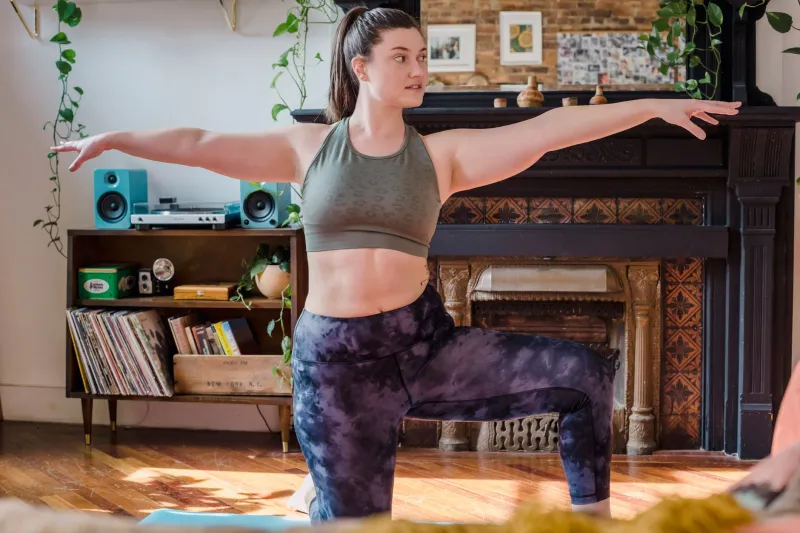
Movement options: Gentle yoga, stretching, a slow walk, progressive muscle relaxation, or even just intentional shaking (which sounds weird but is a surprisingly effective way to discharge physical stress).
Mindfulness options: Guided meditation, breathwork (box breathing, 4-7-8, diaphragmatic breathing), body scan, journaling, or simply sitting in silence with intention.
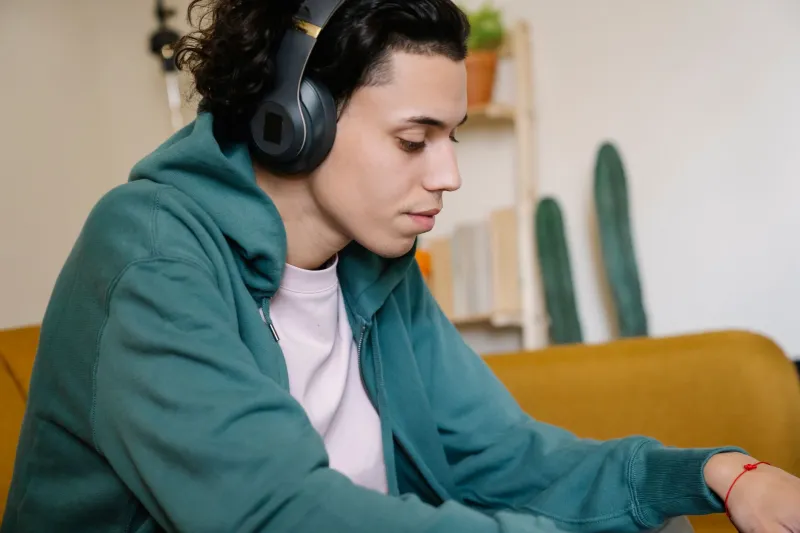
Sensory calm options: ASMR audio or video, nature soundscapes, ambient music, calming scents (lavender, eucalyptus), dim lighting, a warm drink, or a skincare routine done slowly and intentionally.
Notice that last one. A skincare routine, when approached mindfully—cool water on your face, the texture of a moisturizer, the smell of something you love—is a legitimate sensory ritual. It doesn't have to look like what you've seen on a wellness influencer's page to count.
Three Practical Templates
Here are three layered ritual templates designed for different schedules and goals. Treat these as starting points, not prescriptions.
The 20-Minute Evening Wind-Down
Best for: Transitioning from a high-stimulation day to restful sleep
Minutes 1–7: Gentle movement. Roll out a mat or sit on the edge of your bed. Move through a few slow neck rolls, seated forward folds, and supine twists. You're not working out—you're giving your body permission to release what it's been holding. No app required, no performance.
Minutes 8–14: Breathwork. Lie flat or sit comfortably and spend five to six minutes on slow, extended exhales. A simple pattern: inhale for four counts, exhale for six or eight. The longer exhale activates your parasympathetic nervous system—the one responsible for genuine rest.
Minutes 15–20: ASMR audio. Put on a long-form ASMR track or ambient soundscape. Something without a lot of variation—steady rain, soft tapping, distant ocean. Let it play as you stay still. You may fall asleep before it ends. That's the goal.
The 10-Minute Midday Reset
Best for: Work-from-home breaks, lunch hour, or an afternoon slump
Minutes 1–3: Movement. Stand up, roll your shoulders, do a few slow standing forward folds. Walk to get a glass of water and do it slowly, noticing each step. You're interrupting the stress loop, not launching a fitness routine.
Minutes 4–7: Mindful sensory experience. Make a cup of tea or coffee and drink the first few sips without your phone. Or step outside for three minutes and actually look at something—a tree, the sky, the street. This is mindfulness without the app.
Minutes 8–10: Brief ASMR or ambient audio. Two minutes of soft ambient sound through headphones can be enough to reset your baseline before diving back in. Keyboard sounds, rain, or soft instrumental music all work well for daytime use.
The 45-Minute Weekend Restoration Ritual
Best for: A deeper recovery session after a stressful week
Minutes 1–15: Movement with intention. A slow yoga flow, a walk in a park, or 15 minutes of progressive muscle relaxation (tensing and releasing each muscle group from feet to face). Let the movement be meditative—no podcast, no music, just presence.
Minutes 16–30: Guided meditation. Use an app or a YouTube meditation for a full-length session. A body scan or loving-kindness meditation works particularly well after physical movement, when your body is already open.
Minutes 31–45: Multi-sensory wind-down. This is where you layer in everything that feels good to you. A slow skincare routine with a candle burning. An ASMR video playing softly in the background. A weighted blanket. A journal entry of five things you're releasing from the week. This part of the ritual is yours to design.
One Rule: Protect the Sequence
The order matters. Movement before mindfulness before sensory calm—not the other way around. Starting with ASMR when you're still physically tense or mentally activated tends to produce restlessness rather than relief. You have to meet your body where it is before you can lead it somewhere else.
That's the core idea behind building a ritual rather than just picking a tool. You're not asking your nervous system to leap from stressed to calm. You're walking it there, one layer at a time.
That's what it means to heal from within—not forcing stillness, but creating the conditions for it to arrive on its own.